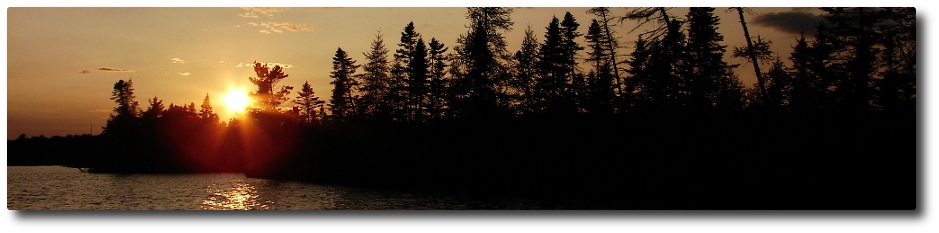
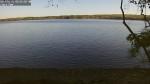
 The Clary Lake webcam is back in operation, at least for the time being. We’ll see how it fairs when really cold, inclement weather gets here- I may have to move it indoors but for now it’s up and running. It’s not an optimal setup by any means but the picture quality is a whole lot better than the old webcam and the view is much improved too: wider, higher resolution, less trees, more lake. In fact, the image is so wide it won’t fit on the page completely without cropping. I’ve put a link to the actual image on the webcam page so you can download the full-width original.
Unlike the old webcam, this is a standalone wireless camera and doesn’t rely on a resource-hog of a program to compete with me for CPU cycles, monitor the camera, take the pictures, and upload them to the web server- all that functionality is built into the camera. This will make it a whole lot more reliable. I can also remotely mess around with the camera, changing the picture size and where it’s pointing, and zoom in and out.
A planned future enhancement: installing a staff gauge in the field of view so you can remotely view the current lake water level. That would probably not work well in the winter when the lake is frozen.
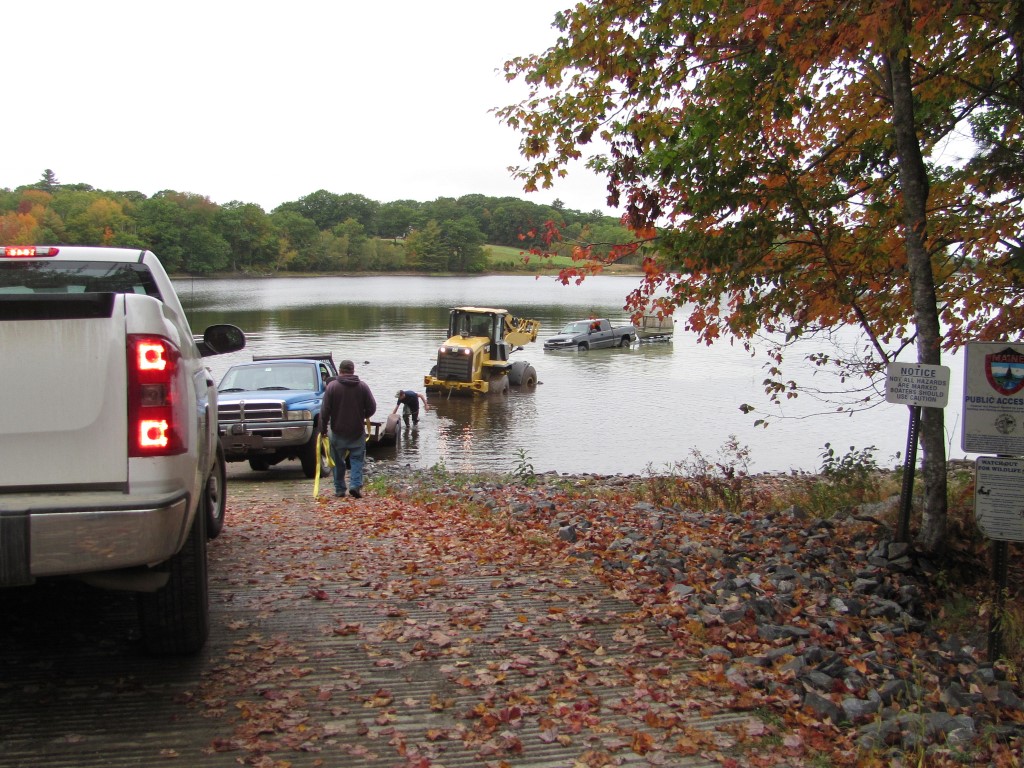
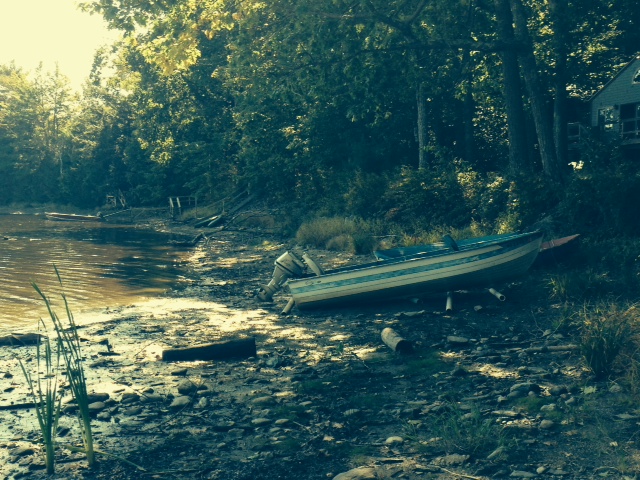
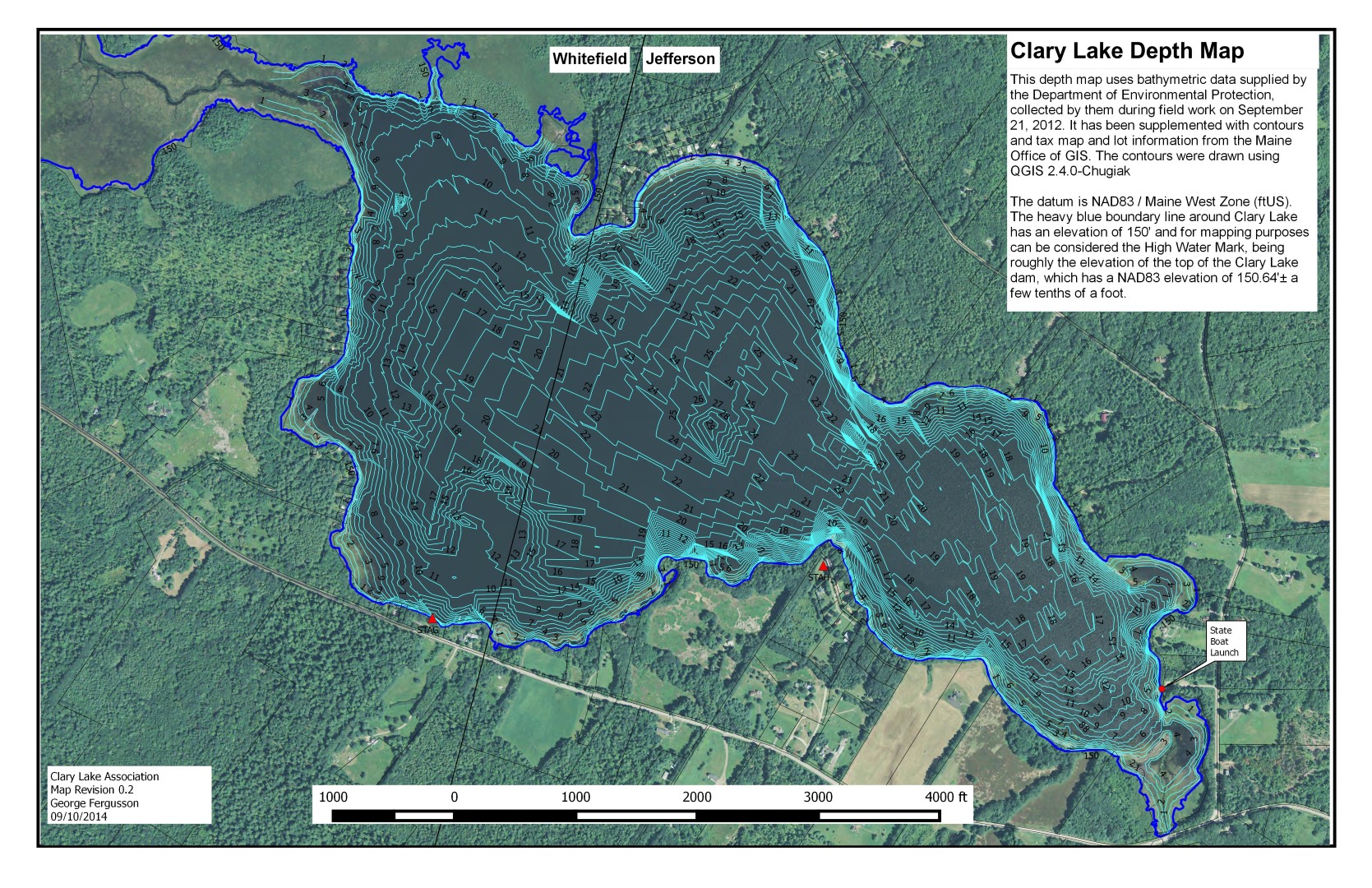
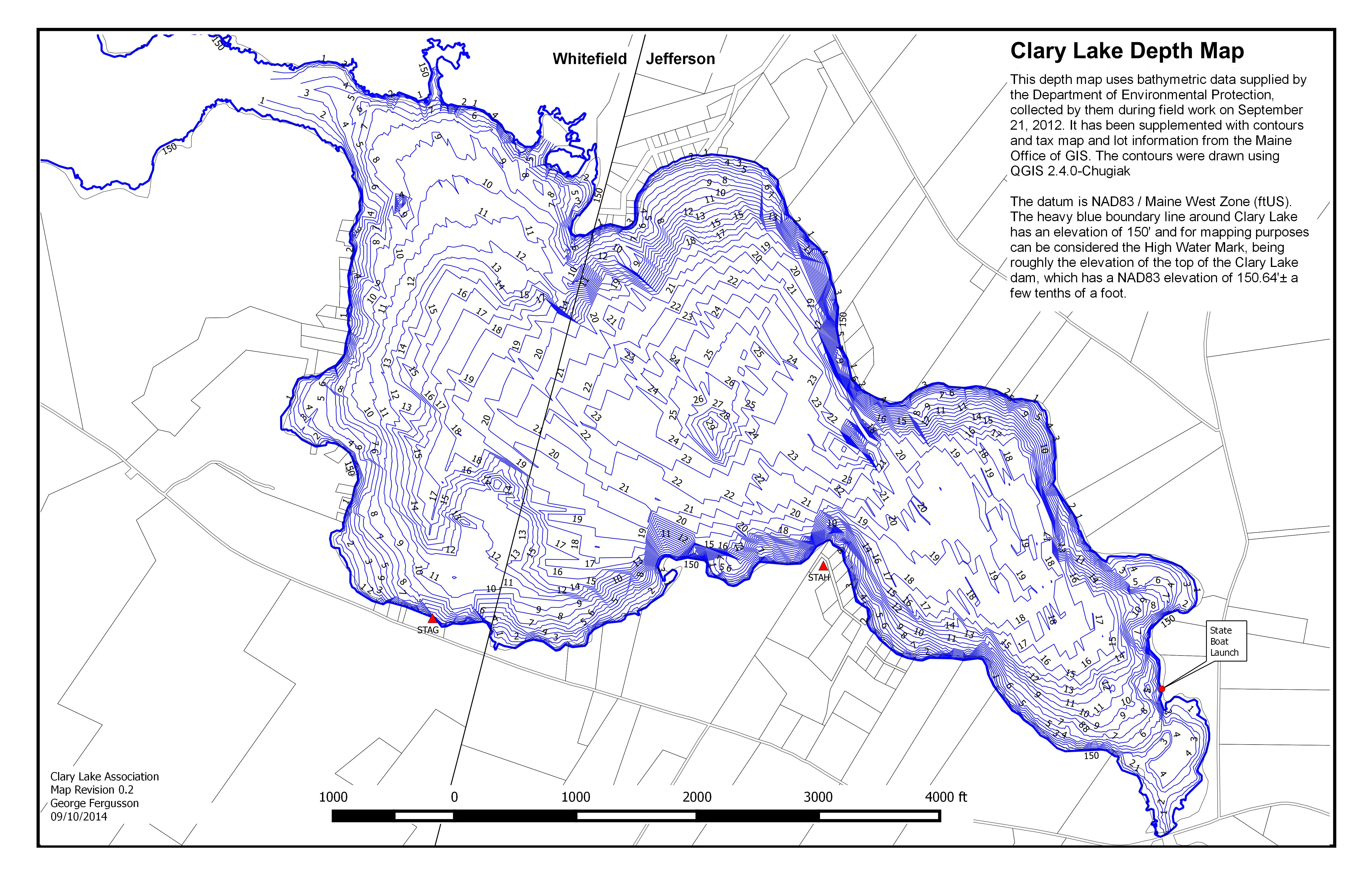
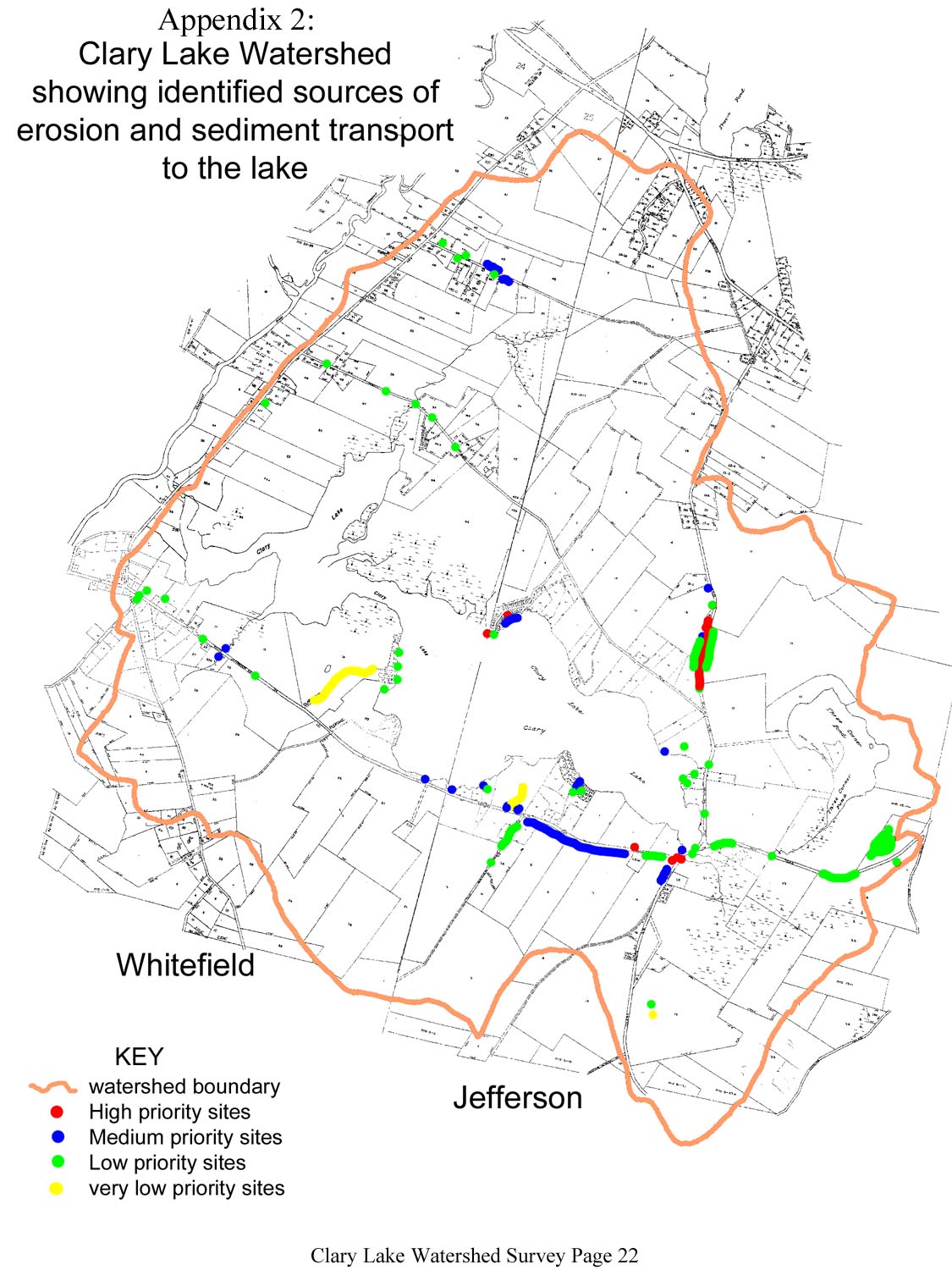
 Virtually all of the natural characteristics of a lake are influenced by the land area, or watershed, that drains to the lake. But human activities that alter the natural protective features of lake watersheds can result in significant degradation of water quality and aquatic habitat over time, unless conservation measures are undertaken to protect the lake. This workshop will cover basic information about the relationship between lakes and their watersheds, common threats to lake water quality from watershed development, and how to identify and resolve problems through the watershed survey process. We will begin with an inside discussion, followed by a field trip to a nearby lake watershed.Please bring a brown bag lunch.
 The Whitefield Selectmen have sent a letter to Assistant Attorney General Thomas Harnett, the person handling the Clary Lake water level order and its pending appeal filed by Paul Kelley in Lincoln County Superior Court. The letter urges the AAG to expedite the current mediation process and enforce any violations of the water level order that may be found to exist. It was sent by email to the Service List. It has also just been posted on the Town of Whitefield’s

 Some of you might have noticed a change to the link structure in use on our website. The original “?page_id=266” and “?p=2243” links have been replaced with a human readable “post-name.” For the most part this will be transparent and not require any thought or action on your part. If you have links you’ve saved in your browser for favorite pages, they’ll still work, you’ll just be automagically redirected to the new link. For example, if you point your browser at:
.png) We had a good meeting of the Clary Lake Association yesterday, reasonably well attended though I had expected a somewhat larger turnout given how much we promoted the meeting. I remain somewhat chagrined that so many Clary Lake shore owners either aren’t interested in joining the Association or just can’t be bothered. I’m also surprised that some folks actually show up for the meetings, but are still unwilling to join! What’s up with that? The Clary Lake Association is
 The Clary Lake Association Annual meeting is
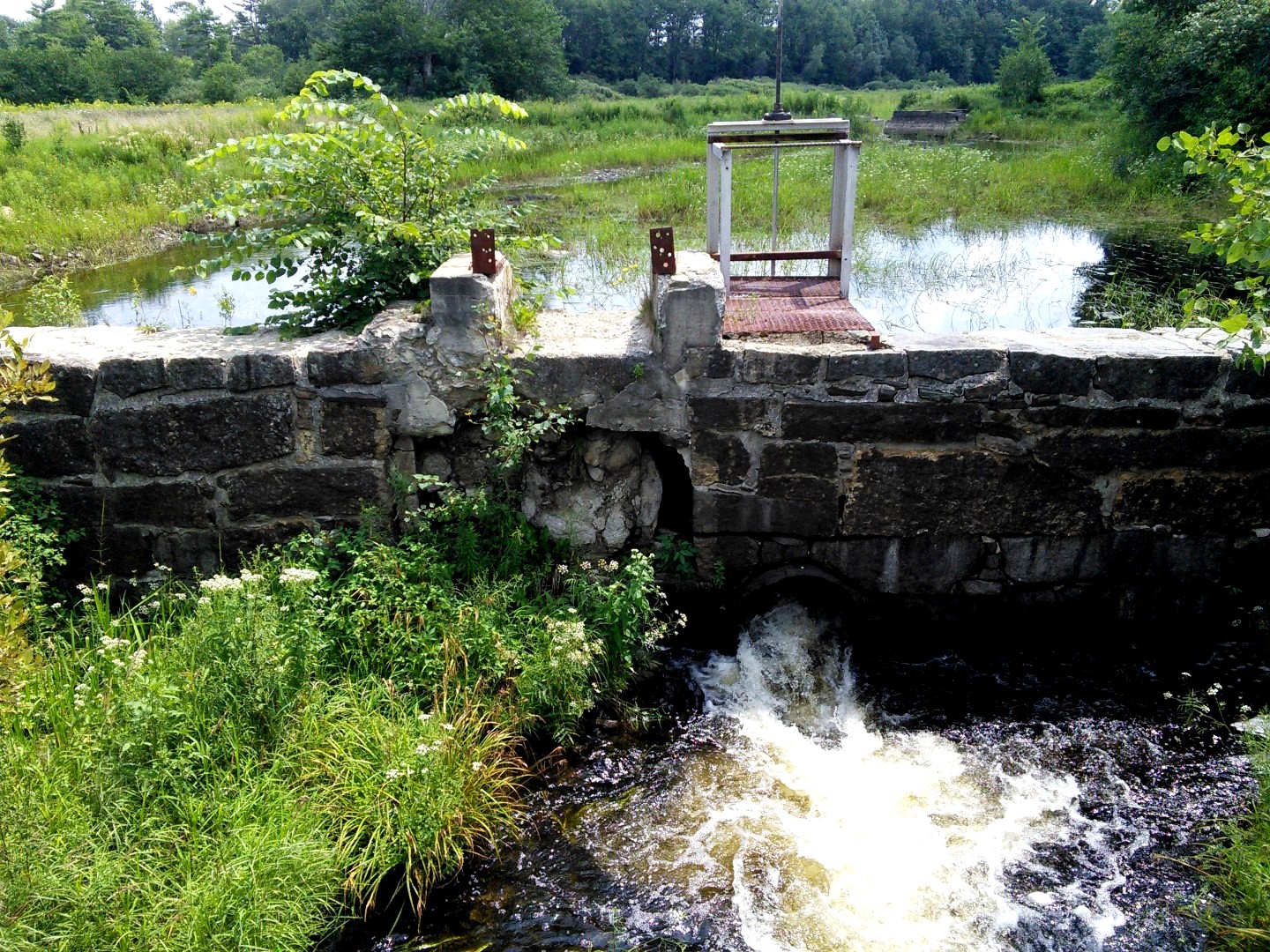
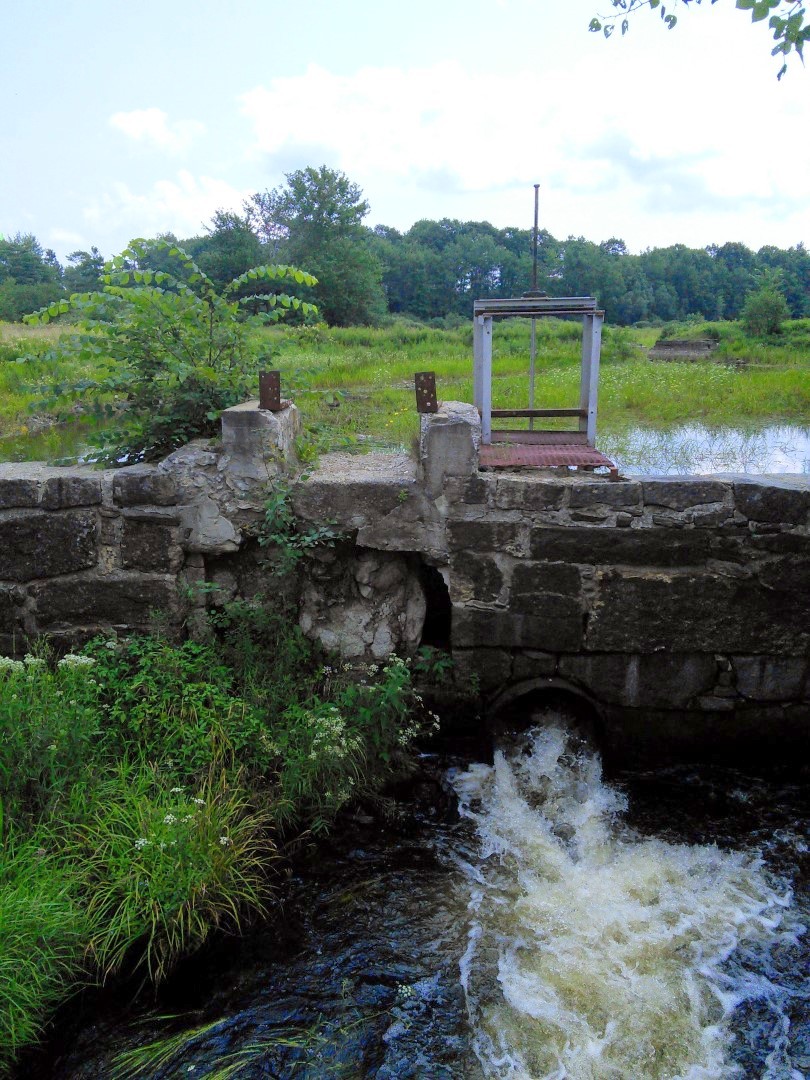
 Special Condition #4 of the

 There was an article in yesterday’s Kennebec Journal by staff writer Paul Koenig providing a welcome update on the current circumstances surrounding the Clary Lake water level order. It is nice to see the KJ keeping this issue before the public, rather than letting it fade into obscurity. Paul Kelley was quoted as saying that mediation is to start at the end of this month and that the process is likely to extend into August: “My hope is that all the parties see that the best solution is no longer to fight this but to try to see if there is some constructive solution.” Nonetheless, the spokeswoman for the department said the DEP still expects the dam owner to begin maintaining the higher water levels by Oct. 1. Here’s a link to the article:
 “Unacceptable at this time” is how